


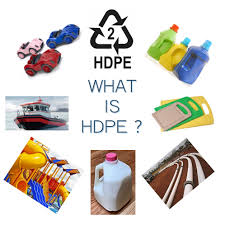

With the growth of the manufacturing industry, especially in the production of plastic bottles, HDPE has become increasingly popular. So, what exactly is HDPE? In this article, Song Minh Plastics will clarify the fundamental knowledge about HDPE, hoping to provide you with a better understanding of this material.
What is HDPE?
HDPE, or High-Density Polyethylene, is a type of thermoplastic with a high-density molecular structure. It’s one of the most versatile plastics, widely used in packaging and commercial applications. Thanks to its exceptional tensile strength, HDPE is a go-to material in industrial plastic manufacturing.
Today, HDPE is the most commonly used synthetic resin in production.
Properties of HDPE
HDPE is used in various industries, including packaging, plastic pallets, plastic product manufacturing, plastic waves, drainage systems, water pipes, toys, packaging, containers, exhaust pipes, construction materials, and more. So, what properties make it suitable for these applications?
- Lightweight, flexible, and durable: HDPE offers excellent tensile strength, high flexibility, and ensures safety and stability in dynamic and stressed environments. It’s ideal for producing lightweight yet durable pipes, tubes, and bottles.
- Corrosion and chemical resistant: Due to its chemical inertness, HDPE is incompatible with biofuels and doesn’t react to chemicals. This makes it suitable for applications such as automotive fuel tanks, waste pipes, mining, food packaging, pharmaceuticals, and cosmetics.
- Impact resistant: HDPE bottles can withstand impacts and drops, ensuring better product protection during transportation and use.
- Resistant to rot, mold, and insects: HDPE’s resistance to rot, mold, and insects makes it an excellent choice for underground piping, especially water pipes.
- Easy to mold: HDPE can be easily shaped to meet specific technical requirements when molded under high temperature and pressure. This process produces highly accurate finished plastic products.
Applications of HDPE

Thanks to its superior properties, HDPE is an ideal material for manufacturing. It’s widely used in various fields:
- Food and beverage packaging: Its lightweight and durability make HDPE an optimal choice for producing food containers and beverage bottles.
- Personal care product packaging: HDPE’s resistance to chemicals, solvents, and acids makes it an ideal material for producing packaging for personal care products such as detergents, soaps, shampoos, conditioners, cleaning agents, creams, perfumes, soaps, adhesives, and paints.
- Commercial applications: HDPE offers not only marketing opportunities but also allows for direct printing on materials. Innovative blow molding techniques create a wide variety of bottle shapes, helping brands stand out on store shelves.
- Environmental protection: HDPE is a particularly safe and environmentally friendly recyclable plastic. Using HDPE bottles helps save resources and reduces waste, contributing to sustainable development.
- Safe toys for children: HDPE’s resistance to UV rays and impact make it a popular material for producing safe plastic toys. It ensures durability and vibrant colors without being affected by UV rays or the external environment.
- Production of recycling bins and HDPE pipes: Its resistance to weather, mold, decay, and natural chemicals in the soil makes HDPE a superior material for producing recycling bins and plastic pipes.
HDPE Manufacturing Process
First, the plastic is fed into a machine and melted at a required temperature. The molten plastic is then extruded through a die to produce a consistent amount of plastic used to form the product. This plastic is then pressed and shaped using molds according to customer requirements.
After the plastic is pressed and shaped, the finished products often have excess, unfinished parts. These are trimmed and then inspected and packaged. During inspection, any products that are misshapen, incomplete, or do not meet the design specifications are discarded. The remaining products are packaged and shipped.
Through this explanation of HDPE, Song Minh believes that you have a better understanding of HDPE to use it effectively, safely, and appropriately in your life. Song Minh Plastics specializes in developing and distributing all products related to HDPE and other plastic products.
